
100%
USCIS project approval rate* *past performance is not indicative of future results
750M+
Raised in EB-5 funds
1400+
Client Families
Golden Gate Global,
The gold standard of EB-5
Golden Gate Global (GGG) was established in 2007 in San Francisco, California with an aim to assist international investors in attaining U.S. Permanent Residence under the EB-5 Visa Program. GGG is recognized as a leading operator of United States Citizenship and Immigration Services (USCIS) licensed EB-5 Regional Centers. Since its inception, Golden Gate Global has sponsored quality EB-5 projects that have withstood the scrutiny of USCIS. Till date, over 1,400 EB-5 investors have trusted Golden Gate Global with their family’s immigration to the United States, representing EB-5 investment of more than $750 Million. EB-5 Projects managed by Golden Gate Global have successfully repaid close to $210 Million to 420+ EB-5 Investors in full and on time.
EB-5 Investment Visa Benefits

Unrestricted employment opportunities

One of the fastest ways to obtain a U.S. Green Card

Path to U.S. Citizenship

Access to world-class education at lower tuition

Free K-12 education

Bypass the H-1B Visa Lottery

Freedom from Employment Sponsorship

Live & work in the United States while awaiting a Green Card

Visa-free Access to Canada and Mexico

Secured debt investment with target repayment in 5 years
Learn more about EB-5 Investment Visa











Testimonials
The approval of I-829 only took 18 months shorter than the 3 years that I had expected
‘My family invested in the EB-5 program back in 2014. I received my temporary green card in 2017 and the permanent green card in 2020. What a big surprise!’
… in December 2020, we received permanent green cards. It was the best gift for our Christmas holiday!
‘We started our EB-5 investment at the end of 2013, and in December 2020, we received permanent green cards. Beyond the good news of green card, we were also informed that we would receive the entire EB-5 investment funds back next week.’
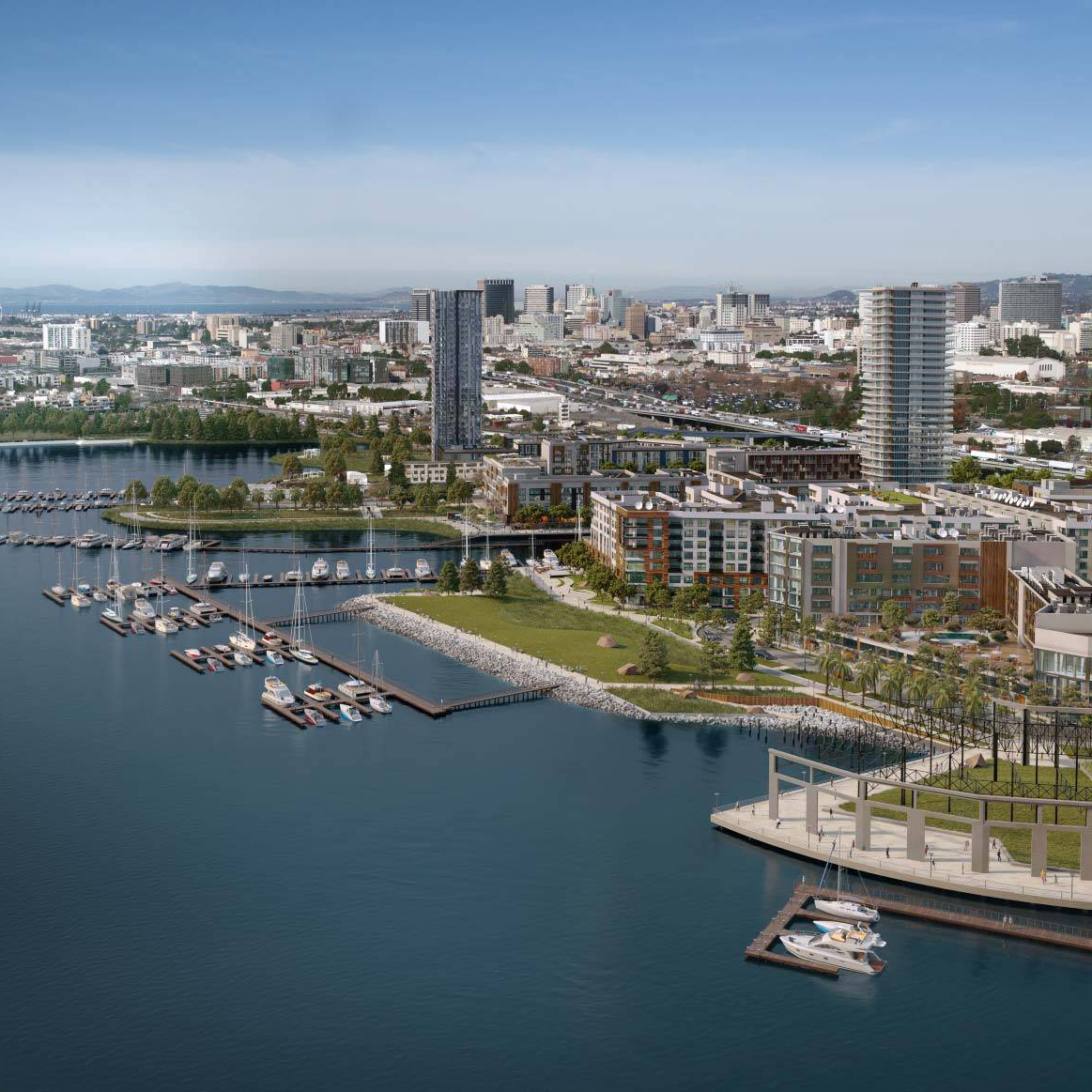
Real Estate EB-5 Investment Projects with Golden Gate Global USCIS-approved Regional Center

Supported 1400+ families from 30+ countries

- Experienced EB-5 Professionals
- Headquartered in San-Francisco, California
- U.S. Offices in Chicago, New York
- Global Teams in China, India and Brazil
- Team members speaks 10+ languages including English, Mandarin, Hindi, Punjabi, Spanish, Portuguese, Korean, Japanese, Turkish, Arabic.
Affiliated Companies


For a Free Consultation with an Experienced EB-5 Professional Enter your Details

Where to find us.
